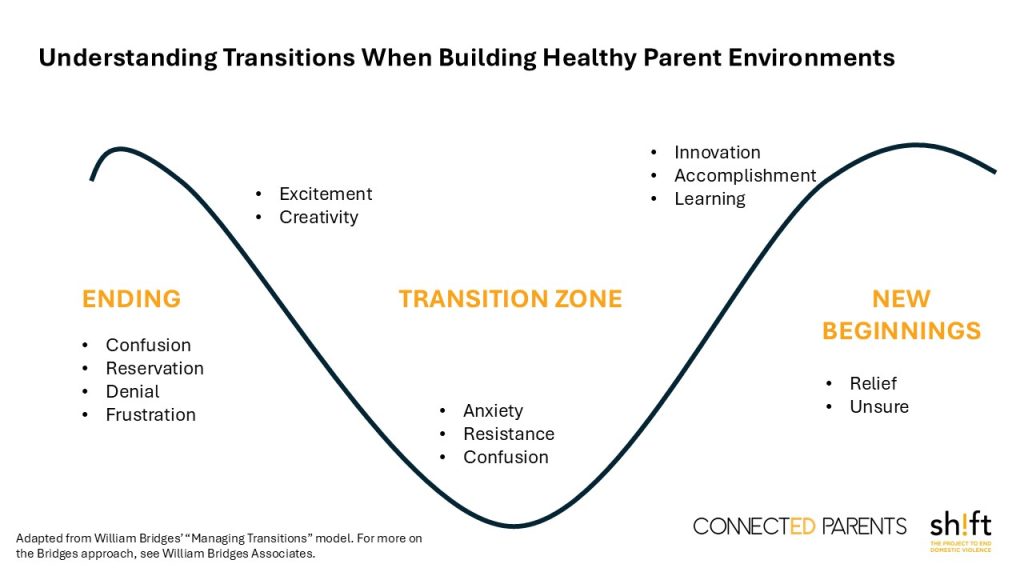
Making healthy social environment practices the norm involves embedding them into the culture so everyone can participate consistently. Here are some ideas you could try:
Create a shared values statement: Together, outline the principles guiding your space, such as respectful communication, inclusivity, and collaboration. Include examples of what those principles look like in practice (e.g., everyone gets a chance to speak, feedback is constructive). Post it somewhere visible, share it with new members of your space, and revisit it regularly.
Develop an onboarding process: Introduce new members to the culture and expectations with a simple guide or orientation chat. Include a brief discussion of the shared values, suggested behaviors, and practical tips for participating fully. Pair new volunteers with an experienced “buddy” to help model these practices.
Set informal meeting norms: Agree as a group on simple, clear guidelines for meetings. This can include things like taking turns speaking, using hand signals or “raise your hand” cues, or rotating facilitator roles. Keep these rules visible in agendas or notes so everyone can follow them consistently.
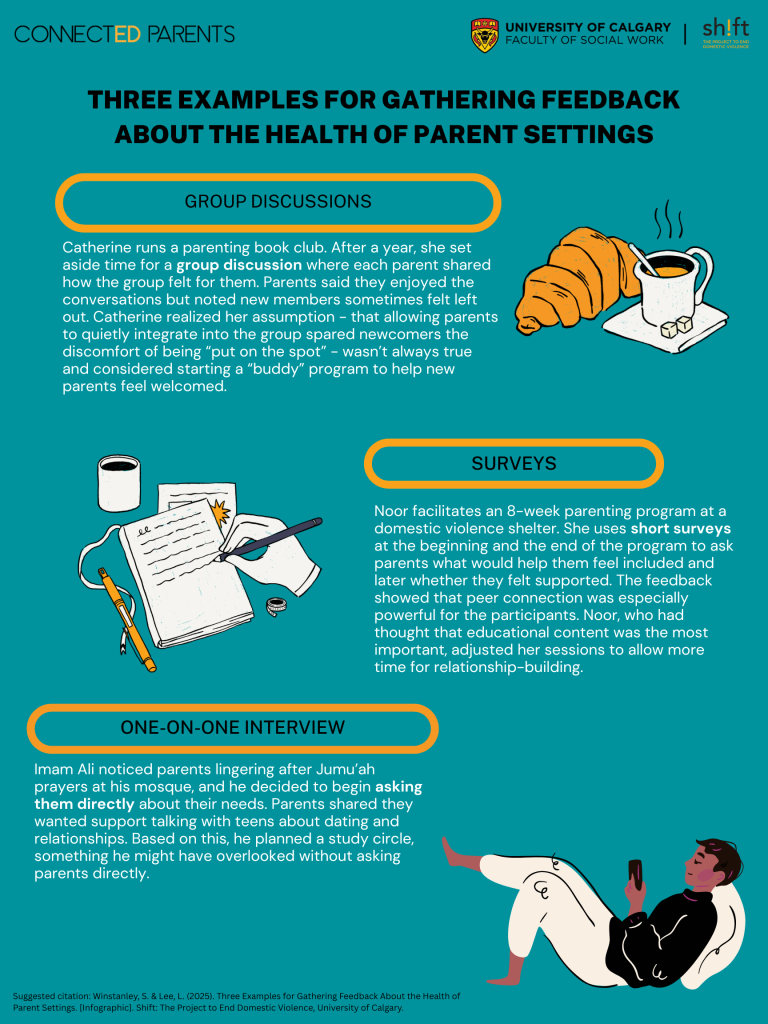
Collect feedback regularly: Even small, informal surveys or check-ins can help capture volunteer input. Create a simple system for documenting suggestions and sharing what changes have been made in response. This reinforces that feedback is valued and acted on.
Document shared practices: Maintain a simple guide or checklist of routines for communication, event planning, or conflict resolution. Accessible written notes help people understand expectations and keep things consistent.
Rotate responsibilities: Share roles like meeting facilitation, note-taking, or coordinating activities. Rotating responsibilities prevents burnout, encourages engagement, and reinforces that everyone contributes to the space’s culture.
Offer training and mentorship to emerging leaders: Support influential people in your space to help create healthy environments. This shares the responsibility, ensures it continues even when key people move on, and builds champions, so you’re not carrying it alone.
Review and reflect regularly: Set aside time periodically to check in on what’s working, what could improve, and any adjustments needed to practices or shared guidelines. Keeping these conversations part of the normal rhythm helps the culture stay strong and flexible.
By embedding practices in shared agreements, simple guides, and rotated responsibilities, you can ensure that healthy relationship behaviors move from individual efforts to a sustainable, shared culture.
Additional Resources:
For more ideas, visit ConnectED Parents’ Healthy Social Environments catalogue and filter for “Policies, guidelines, high-level ways of organizing.”